Selling your closet shouldn’t feel like a part-time job, but if you’ve opened both Depop and Poshmark trying to decide where to list that vintage tee, you know the choice isn’t obvious.
Both apps turned millions of Americans into mini fashion moguls, but they play by totally different rules. One feels like Instagram for thrifted streetwear, the other like a digital mall with a social twist.
So which one actually puts more money in your pocket and less stress in your day? Let’s break it down side by side, section by section, so you can stop guessing and start listing.
To begin with. we’ll cover fees, who’s shopping, shipping, and how your listings get seen. Next, we will tackle returns, payouts, seller tools, live selling, and the final verdict.
Stay tuned.
1. Fees: What you keep vs what they take?
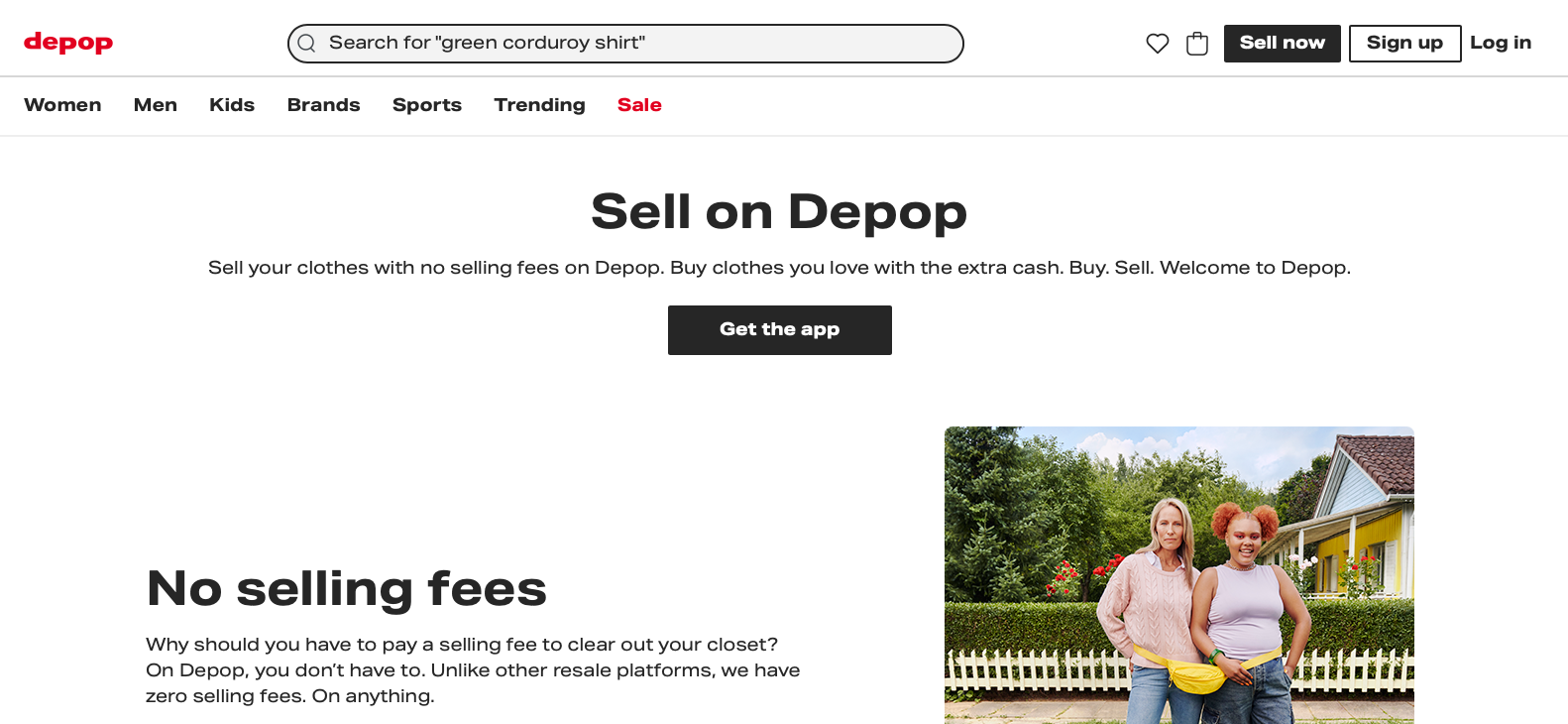
Money talks, and fees are where Depop and Poshmark split hard. This is the #1 thing that eats your profit, especially if you sell under $30 items.
|
Platform |
Seller Fee Structure – USA |
Payment Processing |
Notes |
|---|---|---|---|
|
Depop |
No selling fee as of July 2024 |
3.3% + $0.45 per sale |
Optional 8% for Boosted Listings |
|
Poshmark |
$2.95 flat for sales under $15; 20% for $15+ |
Included in the 20% |
No separate processing fee |
Real math examples:
- Sell a $10 top: Depop takes $0.78, you keep $9.22. Poshmark takes $2.95, you keep $7.05.
- Sell a $20 item: Depop takes $1.11, you keep $18.89. Poshmark takes $4.00, you keep $16.00.
- Sell a $100 jacket: Depop takes $3.75, you keep $96.25. Poshmark takes $20.00, you keep $80.00.
Depop sellers on Facebook brag about keeping $211.99 of a $222.30 bundle thanks to “no seller fees”. Meanwhile, Poshmark sellers vent about 20% feeling steep, sometimes 50% on low-priced items.
Winner: Depop wins fees by a landslide. Since dropping its 10% commission, it’s the most seller-friendly on margins. If you move a lot of $15-$40 pieces, that 20% vs 3.3% difference is rent money.
2. Audience & Vibe: Who’s actually buying your stuff
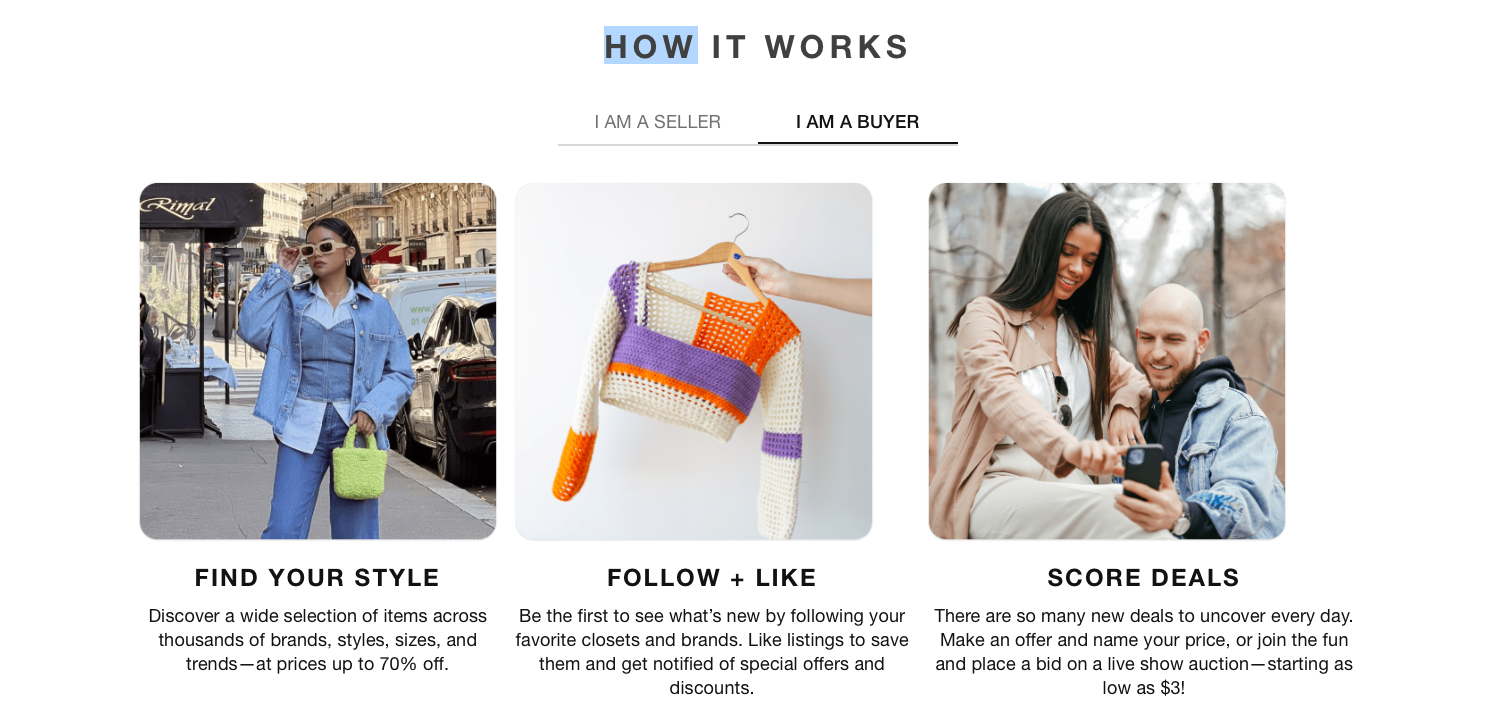
Fees don’t matter if no one’s buying. The platforms attract different crowds, and your inventory needs to match the room.
|
Platform |
Primary Demographic – USA |
Top Categories |
Overall Vibe |
|---|---|---|---|
|
Depop |
90% Gen Z, mostly under 26 |
Vintage, Y2K, streetwear, one-of-a-kind, handmade |
Instagram-meets-thrift store. Creative, aesthetic, curated feeds |
|
Poshmark |
Millennial women + broader ages/genders |
Name-brand fashion, designer handbags, shoes, mall brands |
Digital closet clean-out. Polished, brand-focused |
TikTokers sum it up: “Poshmark shoppers are very diverse… all age groups. Depop is much more specific” – teens to 30s hunting vintage. Creators even teach “code-switching” between platforms because buyers expect different tones.
If you’re selling Lululemon, Anthropologie, or J.Crew, Poshmark buyers already search those brands. If you’ve got upcycled cargos, deadstock band tees, or handmade jewelry, Depop’s audience gets it.
Winner: Tie. It depends on your inventory. Depop wins for vintage, streetwear, and aesthetic pieces. Poshmark wins for mainstream and luxury brands with strong search demand. Selling the wrong style on the wrong app = crickets.
3. Shipping: Flat rate vs total flexibility

Shipping kills deals. Buyers hate surprises, and sellers hate losing money on a heavy coat.
|
Platform |
Who Pays Shipping |
Label Options |
International |
|---|---|---|---|
|
Depop |
Seller chooses: buyer pays, seller pays, or split |
Use Depop labels or your own/Pirate Ship |
Yes, 150+ countries |
|
Poshmark |
Buyer pays flat $6.49 USPS Ground Advantage |
Prepaid label only, up to 5 lbs |
No – US only |
Poshmark’s flat rate is dead simple. No weighing, no trips to calculate zones. Great for bundles and shoes. But that $6.49 stings on a $8 tank top, and sellers can’t opt for cheaper First Class.
Depop gives you control. Lightweight tees? Ship yourself for $3.50 and undercut competitors. Heavy Carhartt jacket? You’ll need to charge more or eat the cost. Sellers debate Depop shipping constantly – some love the flexibility, others call it expensive.
Winner: Poshmark for simplicity, Depop for lightweight items. If you hate math and ship mostly 1-3 lb packages, Poshmark’s flat label is brainless. If you sell tees, jewelry, or ship internationally, Depop’s flexibility saves you real cash.
4. Listing Process & Getting Seen: Hashtags vs sharing parties
You can have the best item at the best price, but if no one sees it, it won’t sell. Both apps require you to “work” for visibility.
|
Platform |
Listing Media |
How You Get Seen |
Daily Grind Required |
|---|---|---|---|
|
Depop |
Up to 8 photos + video |
Hashtag-driven, refresh by editing |
Curate aesthetic feed, use trends |
|
Poshmark |
Up to 16 photos + video |
Share to followers + parties, strong Google SEO |
Share your closet 3-4x/day, join parties |
Depop is visual. Think styled flat-lays, model shots, and niche hashtags like #y2k or #gorpcore. Refreshing old listings bumps them. Top sellers treat their shop like an Instagram grid.
Poshmark is social. The “share” button is your job. Top ambassadors spend hours sharing their own and others’ listings to stay in the algorithm. The upside: Poshmark listings show up on Google, so non-users can find you.
One reseller put it bluntly. Maintaining Posh ambassador status meant transferring 500 listings from Depop and blocking $3 offers on $15 items all day.
Winner: Depends on your work style. Depop wins if you’re creative and hate repetitive tasks. Your photos do the selling. Poshmark wins if you don’t mind “social” grind and want Google traffic. Both punish you for listing and ghosting.
Quick Part 1 Recap
|
Section |
Winner |
Why |
|---|---|---|
|
Fees |
Depop |
3.3% vs 20% keeps way more profit |
|
Audience |
Tie |
Gen Z vintage on Depop, brand shoppers on Poshmark |
|
Shipping |
Split |
Poshmark = simple, Depop = cheaper for lights |
|
Visibility |
Tie |
Hashtags vs shares – pick your grind |
So far, Depop is winning for lean sellers with niche inventory, while Poshmark dominates for brand-name closet flips where simplicity beats margins.
5. Returns & Buyer Drama: Who has your back when things go sideways

Reselling isn’t just “post and profit.” Someone will say the jeans “didn’t fit” or claim a stain appeared mid-transit. The platform’s rules decide if that becomes your problem.
|
Platform |
Return Policy – USA |
Case Process |
Seller Protection Vibe |
|---|---|---|---|
|
Depop |
Seller sets policy, but Depop decides disputes privately |
Buyer opens claim → Depop mediates email-style |
More hands-off, favors communication |
|
Poshmark |
No returns unless “not as described” |
In-app case with photos → Poshmark decides |
Structured, but strict on condition |
Poshmark is famous for its “no returns for fit” rule. If the buyer says it’s too small, you win. But if you miss a tiny flaw in photos, Poshmark often sides with the buyer and you pay return shipping. It’s black and white, which sellers either love or hate.
Depop lets you choose your return policy, yet claims still happen. One reseller had a Depop buyer reopen a shrink claim on an item bought months earlier. Because Depop handles cases via support tickets, outcomes feel less predictable. Great if you’re good at de-escalation; stressful if you want clear rules.
Winner: Poshmark for predictability. Depop for flexibility. If you photograph carefully and want hard rules, Poshmark’s system is less emotional. If you prefer to set your own terms and talk things out, Depop gives you room. But for most USA sellers who just want to avoid “buyer’s remorse” returns, Poshmark is safer.
6. Payouts: How fast do you get paid
Cash flow matters when you’re sourcing new inventory. Waiting a week to get paid can stall your whole operation.
|
Platform |
When Funds Release |
Transfer Time to Bank |
Notes |
|---|---|---|---|
|
Depop |
Auto-deposited ∼2 days after delivery confirmation |
Instant with Depop Balance or 1-3 days to bank |
Payment processing fee taken upfront |
|
Poshmark |
After buyer accepts, or 3 days auto-accept |
2–5 business days after request |
No auto-withdrawal |
Depop pays once the tracking shows delivered, usually 48 hours later. Sellers call this “slower payouts” compared to old-school PayPal, but it’s still automatic. One Depop seller highlighted keeping $211.99 of $222.30 because fees were low and payout was quick.
Poshmark holds funds until the buyer clicks “Accept” or 3 days pass. Then you manually cash out, and ACH takes a few days. If your buyer ghosts, you’re waiting almost a week total. The upside: fewer chargebacks because Poshmark acts as escrow.
Winner: Depop wins on speed and automation. For high-volume sellers flipping thrift finds daily, that 2-day cycle beats Poshmark’s “accept then withdraw then wait” flow. Poshmark feels like 2015 banking.
7. Seller Tools: Bundles, live selling, and growing your shop

The algorithm isn’t the only way to sell. Features like bundling and live shows change how you move deadstock.
|
Platform |
Bundling |
Live Selling |
Promoted Listings |
Extra Tools |
|---|---|---|---|---|
|
Depop |
Available, but basic |
Not offered |
Boosted Listings: 8% fee |
Hashtag trends, global buyers |
|
Poshmark |
Very strong, popular feature |
Posh Shows: real-time auctions |
Promoted Closet: pay-per-click |
Parties, Offers to Likers, Google SEO |
Poshmark built its culture on bundles. Buyers add 2-3 items to get discounted shipping, and sellers can send bulk offers. It’s the #1 way to raise average order value. Add in Posh Shows, and you can auction pieces live to engaged followers. Top closets treat it like QVC.
Depop has bundling, but it’s clunky. No built-in discount calculator. And no live selling as of now. What Depop does have is international reach and a trend-driven feed. If your item goes viral on #coquette or #gorpcore, it can sell globally without you lifting a finger.
Winner: Poshmark. If you want built-in tools to move inventory fast, bundles, offers, live auctions, Poshmark is the toolbox. Depop is still a camera-first, passive-discovery app. Great for virality, weak for intentional selling strategy.
8. The Algorithm Grind: How much daily work is “required”

Neither app is truly passive. Ghost listings = dead shop.
Depop – Refresh items by editing, post new drops weekly, engage with buyers in DMs. Aesthetic matters more than volume. Sellers say daily activity boosts visibility.
Poshmark – Share your closet 3–4x per day, share others’ items, join 3 daily Posh Parties. One ambassador admitted spending all day moving 500 listings and blocking $3 offers just to keep status. It’s a part-time social media job.
Winner: Depop for creatives, Poshmark for grinders. If you hate repetitive tapping, Depop’s “curate and refresh” style is less soul-sucking. If you’re data-driven and don’t mind systems, Poshmark’s grind is predictable and scalable.
Final Scorecard: Depop vs Poshmark
|
Section |
Winner |
Why It Matters |
|---|---|---|
|
Fees |
Depop |
3.3% vs 20% = hundreds more per month |
|
Audience |
Tie |
Gen Z vintage vs mall-brand shoppers |
|
Shipping |
Split |
Posh = simple, Depop = cheaper lights + global |
|
Visibility |
Tie |
Hashtags vs shares – pick your workflow |
|
Returns |
Poshmark |
Clear “no fit returns” policy protects sellers |
|
Payouts |
Depop |
Auto-deposit in ∼2 days vs 5+ days |
|
Seller Tools |
Poshmark |
Bundles + Live Shows + Promoted Closet |
|
Daily Grind |
Depop |
Less repetitive, more creative |
Conclusion: Which platform is better?
For most sellers on the present day, Depop wins, but with an asterisk.
If you sell vintage, streetwear, handmade, or anything aesthetic, list on Depop first. The fee change to 3.3% is a game-changer. You keep more, ship worldwide, and get paid faster. You’ll work less on shares and more on styling. That’s real money and real time back.
But Poshmark is still queen for one type of seller: the brand-name closet flipper. If your inventory is Lululemon, Free People, Coach, or Nike, Poshmark’s massive USA audience, Google SEO, and bundling tools will move it faster. Yes, you’ll pay 20%. Yes, you’ll share 200 times a day. But you’ll sell 10 pairs of leggings in a week instead of 2.
The pro move? Crosslist. Smart resellers today don’t choose, they post on both. Use a tool like Crosslist or Vendoo to list once, sell everywhere, and auto-delist. Let Depop grab the Gen Z buyer and Poshmark catch the millennial mom searching “Anthropologie dress” on Google.
Stop debating platforms. Match your inventory to the buyer, protect your margins on fees, and let the algorithm you hate least be your part-time job.
Your closet isn’t going to sell itself, but now you know exactly where to list it.